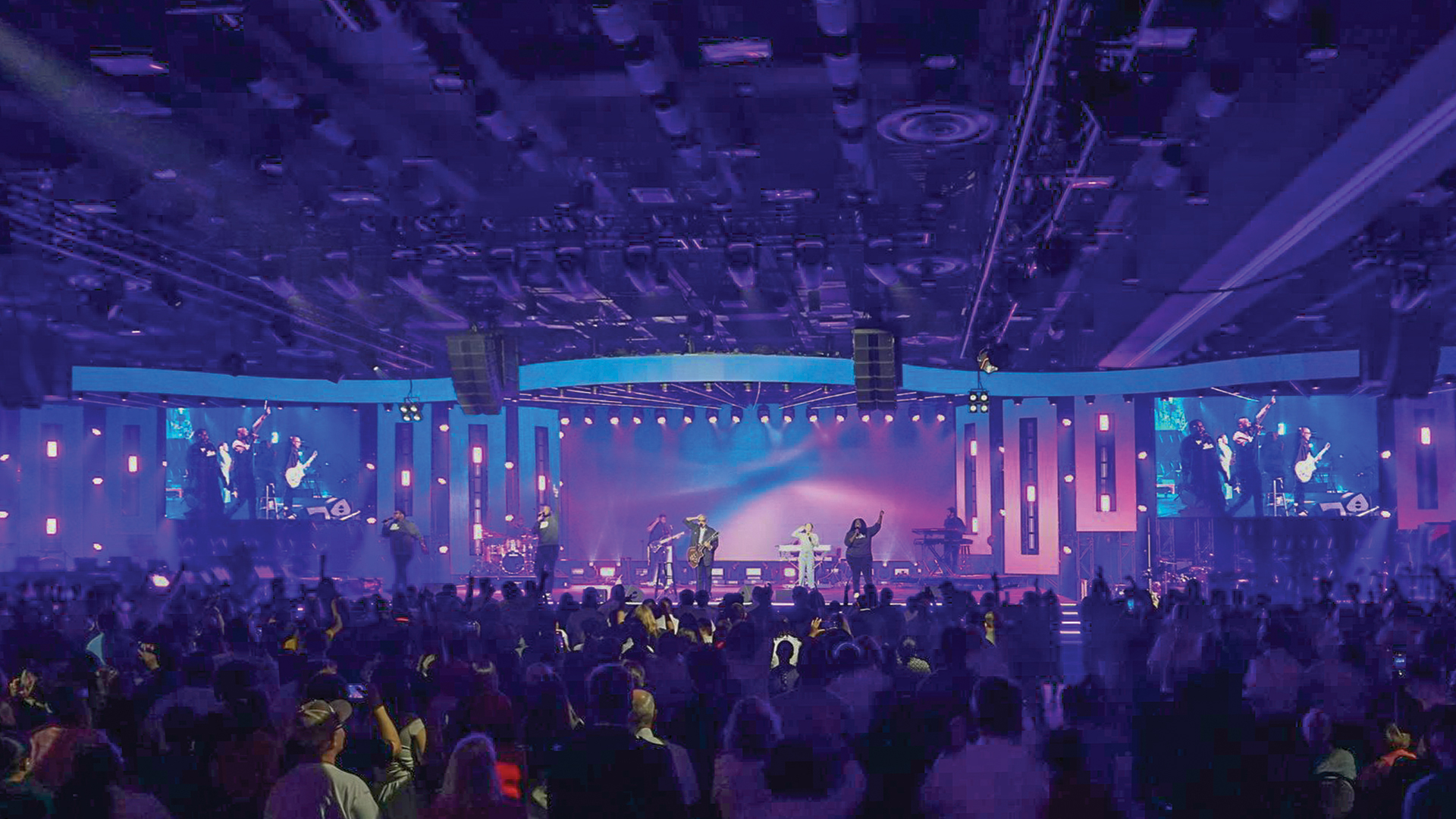
Modular LED technology has revolutionized event production by eliminating the constraints of fixed-size displays. From intimate corporate meetings to stadium-scale concerts, the same fundamental building blocks create perfectly sized visual solutions. This flexibility delivers practical advantages that impact budgets, logistics, and creative possibilities.
Scalability That Matches Any Vision
Traditional projection screens and fixed displays force events to adapt to available equipment sizes. A 16-foot wide projection screen serves adequately for many applications but becomes problematic when the venue demands 24 feet or when budget constraints call for 12 feet. Modular LED walls eliminate this limitation entirely by allowing displays to be constructed in virtually any dimension.
Standard LED cabinet sizes, typically 500mm square, create displays that can be assembled in increments of approximately 20 inches. A small board meeting might use a 2×2 cabinet configuration creating a 40-inch diagonal display. The same cabinets, with additional units from inventory, expand to create a 30-foot concert backdrop. This scalability means rental companies and venues can serve diverse needs from common inventory, reducing costs across the entire rental ecosystem.
Aspect Ratio Freedom
Video content exists in various aspect ratios: 16:9 for broadcast, 4:3 for legacy presentations, 21:9 for cinematic content, and vertical formats for social media. Fixed displays force compromise, either letterboxing content or cropping to fit available dimensions. Modular LED construction allows building walls in the exact aspect ratio the content requires.
A product launch might feature a dramatic ultra-wide panoramic display, while the same event includes vertical portrait-oriented screens for TikTok-ready content. Fashion shows use tall, narrow configurations that complement runway proportions. Trade show booths combine horizontal and vertical elements in configurations that maximize visual impact within assigned floor space.
Creative Configurations Beyond Rectangles
The modular nature of LED cabinets enables configurations impossible with traditional displays. L-shaped corner installations wrap around structural elements or create immersive environments. Curved surfaces use cabinets with angled edges or flexible LED panels that bend to follow architectural features. Three-dimensional constructions create sculptural visual elements that become design features rather than simple display surfaces.
Concert productions regularly deploy LED in unconventional arrangements. Flying LED elements create visual layers at different depths. Floor-mounted panels extend visual content beneath performers’ feet. Rotating LED cubes and other kinetic elements add movement to static stage designs. Each application uses the same fundamental modular components configured for specific creative requirements.
Simplified Logistics and Transportation
Large traditional displays create substantial transportation challenges. A 20-foot projection screen requires specialized vehicles and handling equipment. Modular LED cabinets pack efficiently into standard road cases, with each case holding multiple panels. A complete LED wall that assembles into 200 square feet might pack into just four road cases, fitting in a standard cargo van.
Freight costs depend directly on weight and volume. LED cabinets optimize both through engineered designs that minimize weight while maintaining durability. Carbon fiber and magnesium alloy construction achieves cabinet weights of 15 to 25 pounds for 500mm panels, allowing manual handling without mechanical assistance. This efficiency reduces shipping costs, labor requirements, and time needed for load-in and load-out.
Rapid Assembly Without Specialized Skills
Modern LED cabinet designs incorporate quick-connect mechanisms that eliminate tools for assembly. Cabinets feature alignment guides that ensure precise positioning, with locking latches that secure connections mechanically. Power and signal connections use push-lock or twist-lock connectors that seat with positive feedback, reducing wiring errors.
A trained crew of four can assemble a 16-foot by 9-foot LED wall in under 90 minutes, including cabling, power distribution, and system testing. The same wall disassembles even faster because disconnection is simpler than the careful alignment required during assembly. This efficiency translates directly to reduced labor costs and shorter venue rental periods.
Field Serviceability and Redundancy
Equipment failures happen despite the best maintenance. Traditional displays often require removing entire units for repair, potentially leaving visible gaps in presentations until replacement arrives. Modular LED construction allows damaged cabinets to be swapped in minutes without affecting surrounding panels.
Front-serviceable cabinet designs enable module replacement without removing panels from their mounting structure. A single dead pixel or damaged module can be replaced between sessions at multi-day events. Rental companies typically carry spare cabinets and modules as standard practice, ensuring quick recovery from any failure. This serviceability provides confidence that equipment issues won’t derail critical events.
Cost Efficiency Through Utilization
Rental companies benefit from modular LED because the same inventory serves diverse applications. Rather than maintaining separate inventory for small, medium, and large displays, modular systems scale to match each opportunity. Higher utilization rates spread equipment costs across more events, reducing per-event pricing for customers.
For organizations purchasing LED walls, modularity protects investments against changing needs. Starting with a modest system for current requirements allows expansion as needs grow without replacing existing equipment. This incremental approach avoids large upfront capital expenditures while ensuring long-term flexibility.
Consistent Quality at Any Scale
Every cabinet in a modular system maintains identical specifications: same pixel pitch, same brightness capability, same color calibration. Whether deploying 4 cabinets or 400, the visual quality remains consistent. This uniformity simplifies content creation because designers know exactly what the display will reproduce regardless of final configuration.
Mixing cabinet quantities doesn’t change resolution per square foot or viewing distance requirements. A small display using 2.5mm pixel pitch achieves the same detail as a massive wall of the same pitch. Content created for optimal appearance on one configuration translates directly to any other configuration using matching specifications.
Integration with Rigging and Structures
LED cabinet designs include integrated rigging points that interface with standard truss and ground support systems. Hanging LED walls is straightforward using conventional rigging hardware and techniques familiar to any professional crew. Ground-stacked configurations use adjustable legs that compensate for uneven surfaces while maintaining precise alignment between cabinets.
Specialized mounting accessories enable integration with existing structures. Surface-mount brackets attach LED directly to walls, creating permanent or semi-permanent installations. Custom frames hold unusual configurations in position. The compatibility with standard rigging means LED walls can be deployed anywhere conventional displays could go, plus many places conventional displays cannot.
Future-Proof Technology Investment
LED technology continues advancing rapidly, with newer panels offering higher resolution, brighter output, and better efficiency than models from just a few years ago. Modular construction allows gradual upgrades, replacing older cabinets with new ones as budgets allow. Mixed generations of equipment can sometimes operate together during transition periods.
New applications emerge constantly as LED capabilities expand. Virtual production stages for film and television use massive LED volumes. Retail environments incorporate LED into architectural features. Corporate lobbies feature LED art installations. Organizations invested in modular LED systems can pursue these opportunities using equipment originally purchased for conventional display applications.
Practical Considerations for Event Planners
When specifying LED walls for events, understanding modularity helps communicate requirements effectively. Rather than asking for a specific display size, provide the viewing distance, venue dimensions, and content resolution. Suppliers can recommend optimal configurations that balance visual impact against budget and logistical constraints.
Request information about backup equipment availability and field service capabilities. Understand how quickly damaged panels can be replaced and what spares will be on-site during critical events. These practical considerations matter more than marketing specifications when equipment performance directly impacts event success.
Modular LED technology democratizes high-impact visual production, making professional-quality displays accessible for events of every scale. The flexibility, efficiency, and creative possibilities deliver value that extends far beyond the simple display of video content.
