Introduction
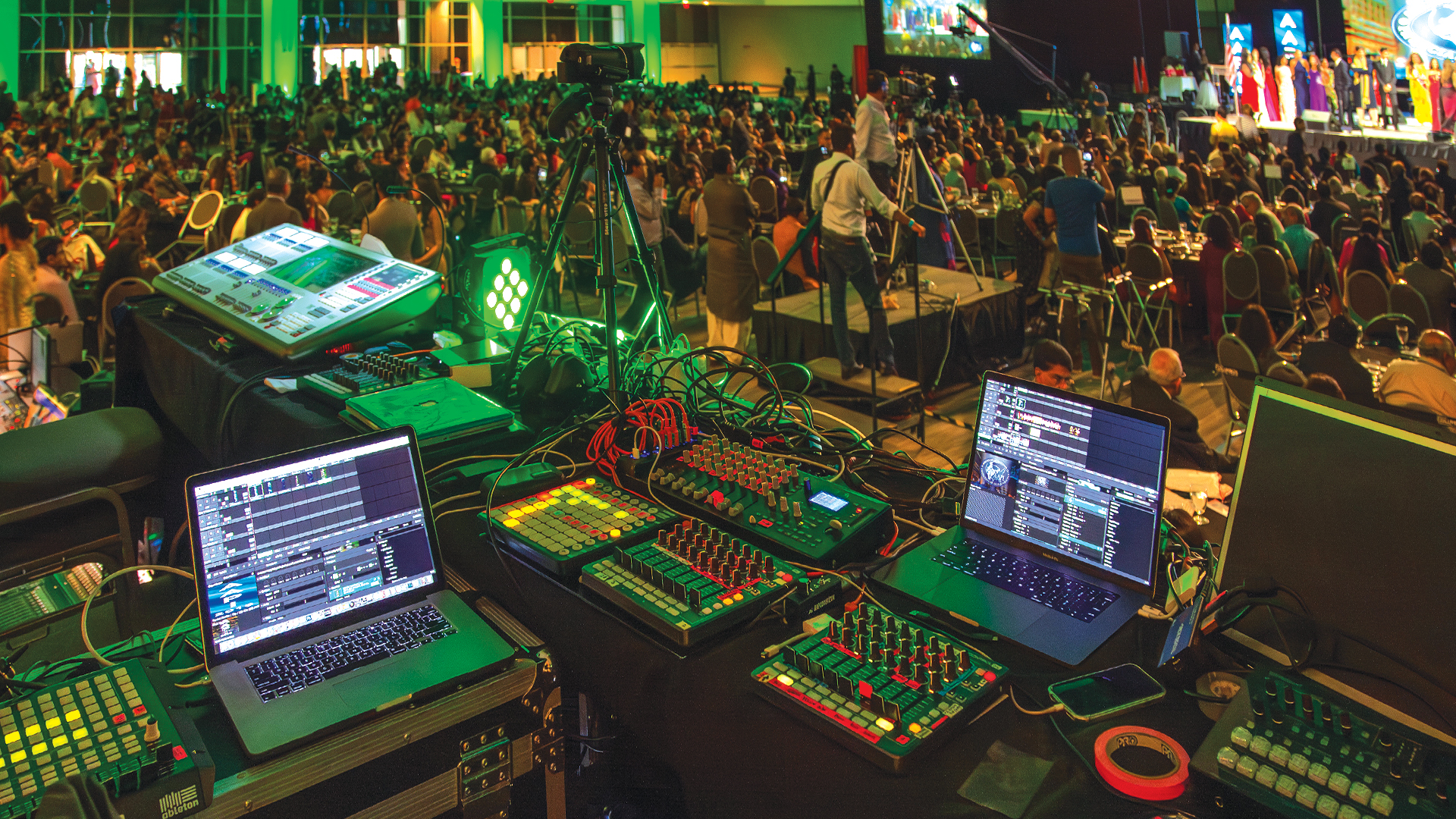
In the fast-paced world of live conferences, audio quality is often the silent hero of a polished event. While visual presentations, stage design, and keynote speakers grab headlines, it is the careful management of subtle audio elements that separates an amateur setup from a professional production. AV teams that focus on microphone choice, signal flow, acoustic treatment, and wireless management consistently deliver seamless experiences that leave a lasting impression.
Microphone Selection: More Than Just a Brand
Choosing the right microphone is one of the most critical but overlooked decisions. Wireless lavaliers from Shure, Sennheiser, and Audio-Technica are preferred for mobility and clarity, while podiums or panel discussions benefit from condenser or boundary microphones. Proper placement mitigates plosives, popping, and uneven volume. High-end systems also incorporate digital companders to reduce noise and maintain consistent levels across the room.
Gain Structure and Console Management
Even the best microphones fail without proper gain staging. Mixing consoles like Yamaha CL/QL, Allen & Heath SQ, or Behringer X32 provide tools for EQ, compression, and feedback suppression, but operators must actively monitor levels and assign channel grouping effectively. Mute management, channel layering, and proper pre-fade listening are small details that prevent distractions and technical hiccups.
Acoustic Treatment and Room Tuning
Many conference rooms are acoustically challenging. Reflective walls, hard floors, and glass surfaces create reverb and echo that diminish speech intelligibility. Strategic use of acoustic panels, curtains, and portable absorbers can drastically improve clarity. AV engineers often employ software like Smaart, Rational Acoustics, or Room EQ Wizard to measure frequency response, delay, and phase alignment, ensuring even coverage across all audience zones.
Speaker Selection and Placement
Line arrays from Meyer Sound, JBL, or L-Acoustics are standard in medium to large conference halls. Proper speaker positioning avoids phase cancellation and ensures uniform sound. Subtle adjustments, such as delay speaker zones or tilt angles, can make the difference between a muffled audience experience and crystal-clear audio. Even in smaller rooms, full-range point-source speakers combined with secondary fills create a cohesive sound field.
Wireless Management and Interference Control
Wireless microphone interference is a persistent but preventable problem. Many AV teams neglect RF scanning before events, which leads to dropouts and inconsistent audio. Professional setups use spectrum analyzers, assign non-overlapping frequencies, and employ redundant receivers with diversity antennas to minimize interference. Brands like Shure Axient or Sennheiser Digital 9000 offer advanced interference detection to maintain seamless wireless performance.
Playback Integration and Multimedia Synchronization
Modern conferences increasingly integrate video, music, and pre-recorded audio. Software platforms such as QLab, ProPresenter, or Medialon allow precise synchronization between audio and visuals. Latency management is critical, especially when content is projected onto multiple screens or LED walls. Misaligned audio can instantly make a high-end production feel amateur.
Audio Redundancy and Contingency Planning
Professional AV teams always plan for failure. Redundant signal paths, spare microphones, and backup receivers prevent unexpected interruptions. Having a technician on standby to troubleshoot issues such as cable failure, phantom power problems, or RF dropouts ensures the conference maintains a polished, uninterrupted flow.
Subtle Audio Enhancements
Small audio details elevate the attendee experience. Ambient background music during breaks, subtle stage fills during speaker transitions, and well-timed audio cues signal session changes. These nuances are often overlooked but contribute significantly to the perception of professionalism and event cohesion.
Case Studies: Brands Doing It Right
Companies like Apple, Microsoft, and TEDx demonstrate best practices in live conference audio. Apple’s keynote events feature redundant wireless systems, precise room tuning, and high-fidelity line arrays that cover thousands of attendees. Microsoft often integrates multi-zone mixing with LED wall content synced to audio cues, while TEDx emphasizes natural room acoustics and microphone placement to maintain intelligibility even in unconventional venues.
Hybrid and Remote Event Considerations
With hybrid conferences, AV teams must consider both in-person and streaming audiences. Latency becomes critical, requiring digital signal processing and networked audio protocols like Dante or AVB. Proper headphone monitoring, gain balancing, and echo cancellation ensure both live and virtual participants experience the same clarity and polish.
Historical Context: How Conference Audio Evolved
In the early days of conferences, PA systems were basic and often prone to distortion. The introduction of line arrays in the 1990s, digital wireless microphones in the 2000s, and networked audio systems in the 2010s revolutionized event production. Today, these advancements allow engineers to manage every nuance of sound, making high-quality audio accessible even for complex multi-room or multi-stage setups.
Future Trends in Conference Audio
The next decade will see growth in immersive audio and spatial sound, enabling attendees to feel enveloped by the presentation. Advanced beamforming microphones, AI-driven feedback suppression, and adaptive acoustic treatments will become standard in premium events. AV teams who adopt these innovations will continue to set the bar for polished conference experiences.
Practical Tips for AV Professionals
-
Always perform an RF scan and assign non-overlapping wireless frequencies.
-
Measure room acoustics and adjust speaker placement for even coverage.
-
Use redundant signal paths and spare hardware for critical microphones.
-
Test all multimedia playback with latency and synchronization checks.
-
Incorporate subtle background audio to maintain energy during breaks.
-
Train technicians on both hardware troubleshooting and software workflows.
Conclusion
The most polished live conferences are defined not by flashy visuals or speaker charisma alone, but by meticulous attention to audio details. From microphone selection and placement to acoustic tuning, wireless management, multimedia integration, and redundancy planning, every subtle factor contributes to a seamless experience. AV professionals who prioritize these often overlooked details ensure conferences feel professional, engaging, and unforgettable.
