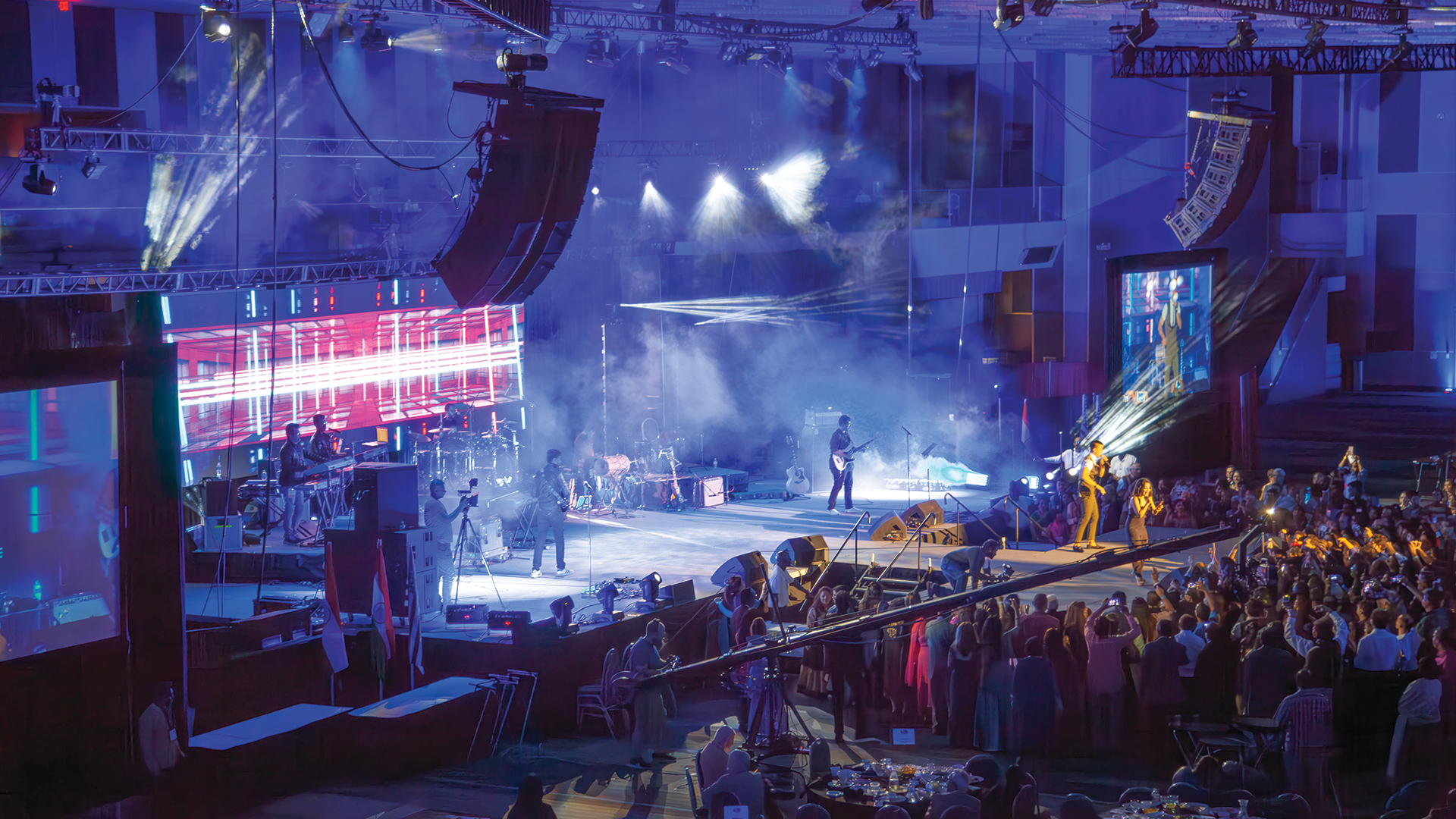
When the final curtain falls and applause fades, another production begins one the audience never witnesses. Overnight strikes transform venues from elaborate productions back to empty shells in mere hours, orchestrating dozens of exhausted workers through precisely choreographed chaos. The efficiency required to clear thousands of pounds of equipment before sunrise demands planning, expertise, and the particular stamina that defines professional stagehands.
Historical Perspective on Load-Out Culture
The load-out tradition evolved alongside touring entertainment itself. Traveling circuses of the 19th century perfected rapid teardown techniques, moving entire tent cities between towns overnight. The theatrical road companies that followed adopted similar disciplines, developing the work patterns that persist in contemporary production culture.
Union traditions established during the 20th century formalized load-out protocols. IATSE locals developed standard procedures balancing safety requirements against commercial pressure for speed. These traditions continue through generations of stagehands who pass down institutional knowledge about efficient striking techniques.
Planning That Enables Speed
Efficient load-outs begin during production planning, not after final curtain. Production managers create detailed strike plots identifying dismantling sequences that prevent bottlenecks. Just as load-in follows specific order—typically rigging first, then electrics, scenic, audio—load-out reverses this progression systematically.
Smart touring designs incorporate quick-release mechanisms throughout. Lighting fixtures mount on quick-clamps requiring no tools. Set pieces connect through standardized latches rather than bolted connections. Cable systems terminate in clearly labeled multicables rather than individual runs. Every design decision affecting dismantling time multiplies across hundreds of load-outs over a tour’s duration.
Road case labeling systems using color coding and numbering ensure equipment returns to correct containers efficiently. Productions using RFID tracking systems can verify complete pack-outs before trucks depart, preventing the dreaded discovery that essential equipment remains behind as convoys roll toward the next city.
Crew Coordination During Strike
The crew call for load-out typically exceeds load-in staffing. A production requiring forty hands to install might call sixty for strike, knowing that compressed timeframes demand more workers despite the advantage of not requiring precision placement. Local IATSE stagehands supplement touring crews, often working their second or third call of a grueling day.
Department heads coordinate activities to prevent conflicts. Riggers cannot lower truss until electricians disconnect fixtures. Audio cannot strike mains until scenic clears sightlines to loading doors. Experienced production managers maintain constant awareness of interdependencies, adjusting sequences when unexpected delays threaten downstream activities.
Communication systems keep scattered crews synchronized. Radio networks connecting department heads allow real-time coordination as strike progresses. The production manager monitoring overall progress redirects labor between departments as workloads shift—sending unused audio hands to help scenic once their department finishes.
Safety in High-Pressure Environments
The pressure to complete load-outs quickly creates inherent tension with safety requirements. Fatigued workers handling heavy equipment in dim venues face elevated injury risks. Professional productions maintain safety standards regardless of time pressure, recognizing that injuries ultimately delay completion more than methodical procedures.
Rigging operations during strike demand particular vigilance. Chain motor systems from CM or Lodestar lowering truss containing thousands of pounds must descend under controlled observation. Workers maintain clearance beneath descending loads. Steel cables and chains under tension pose amputation hazards if improperly handled.
Proper personal protective equipment remains mandatory despite discomfort after long days. Hard hats protect against falling objects during overhead work. Steel-toed boots prevent crush injuries from dropped cases. Gloves protect hands from sharp edges while maintaining dexterity for technical work.
The Rigging Department Sequence
Rigging typically represents the critical path determining overall load-out duration. Truss must lower before fixtures can be removed, disconnected, and packed. Ground support systems must wait until everything flying descends. Experienced riggers work systematically through the grid, cycling motors and lowering battens in coordinated sequences.
Motor controllers from companies like Kinesys or Cyberhoist enable simultaneous lowering of multiple points, dramatically accelerating strike compared to individual motor operation. Productions investing in advanced rigging technology recover costs through reduced labor hours across tour duration.
Once truss reaches floor level, riggers disconnect motors and remove span sets while electrics crews remove fixtures. Efficient teams work simultaneously on multiple truss sections, maintaining steady progression across the stage rather than completing one section entirely before starting another.
Electrics and Audio Department Workflow
Lighting crews face particular challenges during strike. Fixtures requiring careful handling to protect delicate lamps and optics must be removed quickly despite their fragility. Moving lights like Martin MAC Viper or Robe BMFL instruments need motors and mirrors secured before transport to prevent internal damage.
Cable management determines electrics efficiency. Shows using quick-release multicable systems from Socapex or LK37 connectors disconnect entire circuits with single actions rather than individual cable pulls. Pre-coiled cable stored in specified road cases maintains organization that speeds subsequent load-ins.
Audio departments prioritize protecting sensitive components while maintaining pace. Line array speakers from d&b audiotechnik or L-Acoustics descend from their flying positions into protective cases. Console equipment needs proper shutdown before disconnection. Wireless microphone systems require frequency coordination documentation for the next venue.
Scenic Strike Logistics
Scenic elements often represent the most challenging load-out components. Large set pieces that arrived in trucks must return to those same trucks in the same configuration. Awkward shapes requiring careful navigation through loading doors demand experienced hands and strategic planning.
Automated scenic systems add complexity. Stage Technologies automation requires proper shutdown and component disconnection before travel. Winches, tracks, and control systems must be packed in proper sequence to enable correct installation at the next venue.
Soft goods—drapes, cycs, and scrims—require careful folding and bagging to prevent damage. Productions using fire-retardant treatments must maintain documentation traveling with these items. Roadworthy cases protect these expensive textiles from harsh truck transport conditions.
Truck Loading Strategy
Professional touring productions develop detailed truck pack diagrams specifying exactly where each case belongs. Tetris-like precision maximizes space utilization while ensuring load-in order accessibility. Cases needed first at the next venue load last; items used late load first.
Weight distribution affects vehicle handling during transport. Heavy items position low and forward for optimal truck balance. DOT regulations limit axle weights, requiring careful loading to avoid violations that could cause delays at inspection stations.
Truck loaders—often specialized crew members rather than general stagehands develop expertise in maximizing efficiency. Their spatial awareness and physical endurance enable the dense packing necessary for tours traveling with more equipment than trucks theoretically accommodate.
The Human Cost of Overnight Work
Working through the night exacts physical and mental tolls that responsible productions acknowledge and mitigate. Fatigue management includes mandatory rest breaks, catering providing appropriate nutrition, and realistic scheduling that doesn’t demand superhuman endurance.
Union contracts specify penalty rates for overnight work, acknowledging the additional burden late hours impose. Productions budget these costs, recognizing that attempting to avoid premium pay by understaffing ultimately costs more through extended hours and increased injuries.
The camaraderie developed during load-outs bonds crews uniquely. Shared struggle through exhausting nights creates professional relationships lasting entire careers. As dawn approaches and the final cases roll into trucks, crews disperse knowing they have accomplished something remarkable—transforming elaborate fantasy back into road-ready equipment, ready to recreate the magic in another city. This endless cycle of construction and destruction defines touring entertainment, invisible to audiences who see only the polished performances these overnight strikes make possible.
